
Choosing the right medical college is one of the most important decisions for every aspiring doctor. Every year, thousands of Indian students appear for NEET with the dream of pursuing MBBS. However, due to intense competition and limited government medical seats, many students explore quality medical education abroad.
Among the most preferred destinations, MBBS in Nepal has gained significant popularity because of its affordable fee structure, similar culture, English-medium education, and recognition by international medical bodies. One institution that consistently attracts Indian students is Kathmandu Medical College (KMC).
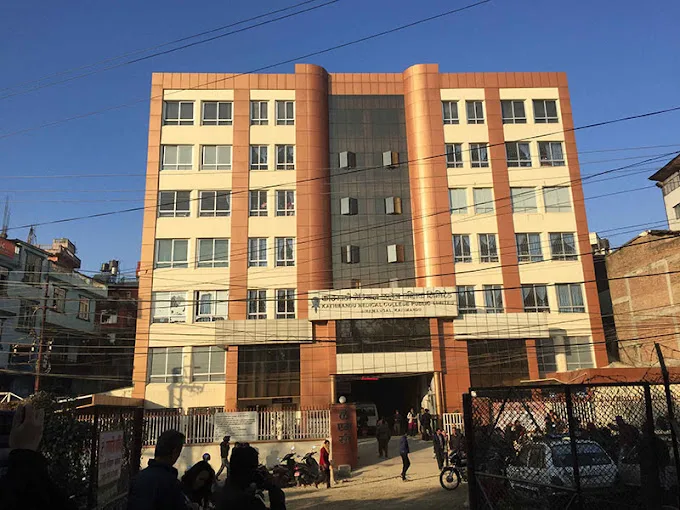
Established in 1997 and affiliated with Kathmandu University, Kathmandu Medical College has built a reputation for quality medical education, experienced faculty, modern laboratories, and strong clinical exposure. The college attracts students from Nepal, India, and several other countries who seek internationally recognized medical education.
If you're planning to pursue MBBS in Kathmandu Medical College in 2026, this guide explains everything you need to know—from eligibility and NEET requirements to admission procedures, fee structure, and preparation for future licensing examinations.
For Indian students seeking an affordable and reputable international medical university, the Kathmandu Medical College MBBS program offers several practical advantages.
Some of the major reasons students prefer Kathmandu Medical College include:
Unlike many distant study destinations, Nepal offers Indian students a familiar lifestyle, food, festivals, and climate, making the transition much smoother.
Kathmandu Medical College (KMC) was established in 1997 and is one of Nepal's leading private medical colleges. It is affiliated with Kathmandu University and has consistently maintained a strong academic reputation.
The college offers undergraduate and postgraduate medical programs supported by experienced faculty members and modern infrastructure.
|
|
|
|
|
|
|
|
|
|
|
|
|
|
|
|
|
|
|
|
|
|
|
|
|
|
|
|
|
|
The MBBS curriculum combines classroom learning with practical clinical training. Students begin with pre-clinical sciences before progressing to clinical rotations in affiliated teaching hospitals, ensuring exposure to real-world medical practice.
The popularity of Kathmandu Medical College MBBS for Indian Students continues to grow for several reasons.
The curriculum follows international standards while emphasizing practical learning. Students receive training in anatomy, physiology, pathology, pharmacology, surgery, medicine, pediatrics, gynecology, and other core medical disciplines.
Clinical training is not optional—it is the core of medical education that separates book knowledge from real competence.
At KMC, students work in a busy teaching hospital from early on. High patient flow means you see a wide range of cases, not just in textbooks but in real wards, under the guidance of experienced faculty.
One of the biggest advantages for Indian students is that the entire MBBS program is taught in English.
This removes the language barrier that slows down learning in many other countries.
Indian students generally adjust quickly because Nepal shares many cultural similarities with India.
Students find:
This makes daily life simpler, so students can focus on medicine instead of struggling to adapt.
Year after year, I see families compare costs. KMC is usually more affordable than most private medical colleges in India, without compromising on quality.
Do not start the application process until you have a clear handle on the admission requirements. Missing a single detail can cost you a seat.
The eligibility criteria for MBBS in Kathmandu Medical College generally include the following.
Applicants should have completed:
Students should have obtained the minimum qualifying marks prescribed by the university and applicable regulations.
Generally:
Applicants should be at least 17 years old by the prescribed admission date.
Students may be required to submit a medical fitness certificate before admission.
Kathmandu Medical College welcomes international applicants, including Indian students, subject to university and government admission policies.
One of the most common questions is:
Yes.
Indian students seeking admission abroad must qualify for the NEET (National Eligibility cum Entrance Test) to remain eligible under current National Medical Commission (NMC) regulations for obtaining an Eligibility Certificate, where applicable, and for future registration in India.
A valid NEET score is not just a formality—it is the gatekeeper for your eligibility and future registration in India.
A qualifying NEET score helps students:
Check the latest NMC and Kathmandu University notifications before you apply. Eligibility rules change, and missing an update can set you back a full year.
The admission process is simple for students who prepare their documents early. Delays happen when paperwork is missing or incomplete.
Confirm that you satisfy:
Complete the application form through the official admission process or an authorized admission partner.
The university verifies:
Eligible candidates receive an admission or provisional offer letter after successful verification.
Students pay the prescribed admission and tuition fees according to the university schedule.
After completing the documentation and fee formalities, students receive confirmation of admission and begin preparing to join the MBBS program.
Seats at KMC fill fast. Apply early if you want a real shot—waiting costs you options.
Students should prepare the following documents before beginning the admission process.
Bring both originals and photocopies to admission. I have seen students lose their seat over a missing document.
Cost is the first question I get from families. Knowing the full financial picture up front prevents surprises later.
KMC fees change with university updates, exchange rates, and regulations. Always check the latest official fee notice before you commit—assumptions here can be expensive.
|
|
|
|
|
|
|
|
|
|
|
|
|
|
|
|
|
|
|
|
|
The total cost generally includes:
Do not stop at tuition when budgeting. Factor in books, travel, insurance, and daily living—these add up quickly and catch many students off guard.
Check the official KMC website or admissions office for the latest fees before you pay anything. Fee changes are common, and guessing can cost you.
Hostel life is not just a detail—it shapes your daily routine and study habits. KMC hostels are built to keep students safe, comfortable, and focused on academics.
The hostels are equipped with essential amenities that help students focus on their studies while enjoying a structured campus life.
Students generally have access to:
Hostel accommodation may be mandatory during the initial years of the MBBS program as per college policy. Students should always verify the latest hostel regulations at the time of admission.
Indian students usually adapt comfortably to the food available in Nepal due to cultural similarities. Most hostels provide vegetarian and non-vegetarian meal options, while nearby restaurants and cafes also offer a variety of Indian dishes.
Familiar food means students settle in faster and do not waste energy adjusting to a new diet.
KMC’s real strength is its infrastructure. The campus is set up for both theory and hands-on medical training, so students do not have to choose between the two.
Major campus facilities include:
Students are pushed to join seminars, workshops, and conferences—not just for resumes, but to build real skills and networks that matter after graduation.
If you want to see what the campus and labs actually look like, check the official KMC website and verified social media. Do not rely on random internet photos.
Clinical exposure is one of the most important aspects of any MBBS program. At Kathmandu Medical College, students receive practical training through its affiliated teaching hospital, where they observe and participate in patient care under faculty supervision.
High patient flow at the teaching hospital means students see real cases across every major department. This is what bridges the gap between classroom theory and clinical practice.
Ranking is the first thing students Google, but what matters more is the college’s track record in clinical training and graduate outcomes.
While ranking methodologies vary across organizations, Kathmandu Medical College is widely recognized as one of Nepal's established private medical colleges for its long academic history, experienced faculty, and clinical training opportunities.
Kathmandu Medical College is recognized or listed by relevant educational and medical authorities, subject to current regulations, including:
The Foreign Medical Graduate Examination (FMGE) has historically been the screening examination for foreign medical graduates seeking registration in India. However, regulatory changes, including the transition toward the National Exit Test (NExT), should be monitored through official NMC notifications.
Instead of chasing pass percentages, focus on what actually drives exam success:
FMGE success is built on consistent preparation, strong study habits, and the practical skills you develop during MBBS—not just the name of your college.
If you plan to practice medicine in India after graduating, preparing early for the licensing examination is essential.
Focus on understanding core subjects rather than memorizing facts. Strong fundamentals in anatomy, physiology, pathology, pharmacology, microbiology, and medicine form the basis for licensing examinations.
Medical education covers an extensive syllabus. Regular revision throughout the course is more effective than last-minute preparation.
Solve multiple-choice questions frequently to become familiar with exam patterns and improve speed and accuracy.
Use internationally recognized textbooks alongside university notes to strengthen your conceptual understanding.
Many students benefit from dedicated FMGE or NExT coaching programs that provide mock tests, revision schedules, and expert guidance.
Consistent study routines and effective time management can significantly improve examination performance.
A common query is "Kathmandu Medical College MBBS placement."
Do not expect campus placements like in engineering or MBA programs. Medicine works differently—your next step depends on licensing, specialization, and your own performance.
Instead, graduates pursue opportunities such as:
Career progression depends on your career path after MBBS is shaped by licensing exams, your chosen specialty, and how you perform—not by placement statistics.or Indian students, MBBS in Nepal offers several advantages over many other international destinations.
These factoThese factors make the academic and personal transition smoother, so students can focus on building real medical skills from day one. Consider Before Applying
Before you apply to KMC, here is what I tell every student to check first:gibility criteria carefully.
Following these steps is what separates students who get in from those who miss out.
Graduates of Kathmandu Medical College have several career pathways available, subject to meeting the relevant licensing and regulatory requirements.
Potential options include:
The right pThe best path is the one that matches your interests, your chosen specialty, and the licensing rules of where you want to work. Do not copy someone else’s plan—build your own.
Kathmandu Medical College Worth It for Indian Students?
If you want quality education, strong clinical exposure, English instruction, and a campus close to home, KMC is worth serious consideration. should evaluate the college based on factors such as academic quality, affordability, infrastructure, clinical opportunities, recognition, and their long-term career goals. Consulting official sources and experienced education advisors can help students make an informed decision.
Kathmandu Medical College continues to be a prominent destination for Indian students planning to study MBBS in Nepal. With its experienced faculty, structured curriculum, modern facilities, English-medium education, and extensive clinical training, the college provides an environment. Before you apply, check the latest eligibility, NEET rules, admission steps, fees, and regulations. The right college is the one that fits your goals and passes every practical test—not just the one with the best marketing.
If you are exploring MBBS admission opportunities abroad for 2026 and would like personalized guidance on college selection, documentation, eligibility, and the admission process, the experts at Medical Wing can help you make informed decisions. Learn more by visiting the official Medica Wing website or contacting their counseling team.
Yes. Kathmandu Medical College is a well-established institution in Nepal and is popular among Indian students due to its English-medium curriculum, clinical exposure, and proximity to India.
Indian students are generally required to qualify NEET in accordance with the latest National Medical Commission (NMC) regulations.
The MBBS program typically lasts 5.5 years, including the compulsory internship.
Applicants should have completed 10+2 with Physics, Chemistry, Biology, and English, meet the required academic percentage, qualify NEET where applicable, and satisfy the minimum age requirement.
The MBBS program is taught in English.
Yes. Hostel accommodation is available with essential amenities, including furnished rooms, security, dining services, and study areas.
The college is affiliated with Kathmandu University and is recognized/listed by relevant authorities, subject to current regulations. Applicants should verify the latest recognition status through official sources.
The fee structure varies by academic session. Students should consult the official fee notification for the latest tuition and other charges.
Graduates must comply with the applicable NMC regulations and qualify for the required licensing examination (such as NExT, when implemented) to practice in India.
Students receive practical training through the affiliated teaching hospital, which provides exposure to a broad range of medical cases.
Scholarship opportunities depend on university policies and government regulations. Students should check the latest official announcements.
Visit the Kathmandu Medical College official website and its verified social media channels for updated information, campus photographs, and admission notifications.